Chewing bags are growing in popularity, especially among those searching for safe and smoke-free options. They might look new, but actually, they’re part of a long line of smokeless tobacco alternatives. Easy to use and discreet, these small pouches are now available everywhere, and many users are switching from cigarettes or vaping to chewing bags instead.
What is chewing tobacco? It’s one of the oldest forms of tobacco use, where a person chews on loose shredded leaves to release nicotine. Traditional chewing often includes spitting and strong flavors. It’s been around for centuries, but it comes with a few bad sides — high risk for gums, teeth, and overall health.
Chewing bags, on the other hand, are a modern evolution of traditional chewing tobacco. They come in two main types: some contain finely processed tobacco, while others are completely tobacco-free, made with plant-based fibers, nicotine, and food-grade flavorings. In both cases, the pouch is placed under the lip, requiring no chewing or spitting. They are discreet, easy to use, and deliver a controlled, consistent nicotine and flavor experience, making them a cleaner and more convenient alternative to old-school chewing tobacco.
Unlike traditional chewing, there’s far less mess, fewer chemicals, and a more refined product overall.
Each chewing bag typically includes:
There’s no sugar, and most chewing bags avoid artificial dyes or preservatives. That’s why many consider them a safe alternative, especially for indoor environments or public spaces.
The switch from old-school chewing products to modern pouches is growing fast. Here’s a quick chewing vs chewing bags comparison:
| Point | Chewing Tobacco | Chewing Bags |
| Texture | Loose, rough leaf | Finely filled pouch |
| Usage | Needs constant chewing | No chewing – just tuck under lip |
| Cleanliness | Requires spitting | Spit-free |
| Discretion | Harder to hide | Easy to use privately |
| Aftertaste | Strong, earthy | Flavored and subtle |
| Ingredients | Whole tobacco leaves | Fiber, nicotine, flavors |
For many, the point of moving to chewing bags is balancing pleasure and convenience. You still get the kick — but none of the mess.
That’s the big question: are they bad? It depends on what you compare them to.
Compared to smoking or raw chew products, chewing bags tend to be cleaner, easier on the gums, and don’t contain burnt particles. But yes, they still release nicotine, and regular use can lead to risk factors connected to health — especially if overused or combined with other nicotine sources.
Some specific risks that may come up:
But if you want to stop smoking, avoid vapor or dip, chewing bags could be a smart step. Many users switch to them as a safe bridge toward quitting, or simply a cleaner form of enjoyment.
Top producers focus on the same things: purity, comfort, and flavor. Brands like Garant Snus, Pablo, Killa, Velo, and ZYN now offer chew-like experiences without strong tobacco taste or biting texture.
Each product may contain:
What makes one brand stronger than another isn’t just taste — it’s stability over time, pouch softness, and the balance of juice/no juice.
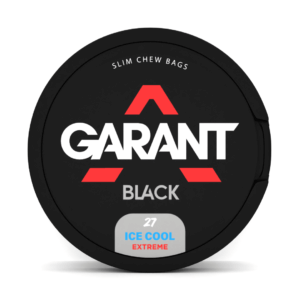
Reading the label always helps. Ingredients that often appear include:
Some brands avoid tobacco altogether — making them free from the typical chew taste. Others go with hybrid blends for a traditional feel. Both types have fans — it’s all about what feels right and fits inside your lifestyle.
So what’s the meaning of chewing bags now in 2026? In short, they’re a middle line between old chewing methods and modern nicotine pouches. You get familiar elements — the buzz, the ritual, the flavor — but with less smell, no smoke, and way more comfort.
They’re especially well-loved by:
The rise of chewing bags shows how far smokeless products have come. More products, more choice, and better delivery systems show this isn’t just a trend — it’s a point in nicotine history where things shifted for good.
Chewing bags aren’t just another fad — they’re a proven alternative to traditional chewing and smoking. Cleaner, quieter, and more discreet, they deliver satisfaction where other forms don’t work well.
As with everything, smart use matters. But if you’re looking to switch, cut back, or simply try something modern — chewing bags are worth a shot. For current offers and bulk supply, check out chewing tobacco pouches and explore what’s available today.
Importer / Distributor: Allium EST OÜ / 11267835
Manufacturer: UAB Kordula / 305254009
info@garantpods.eu